

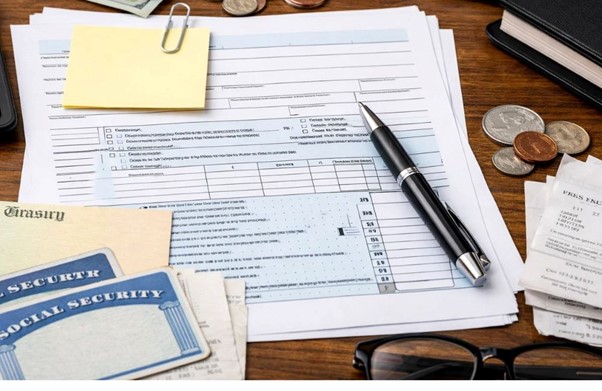
Filing taxes can feel overwhelming, especially when rules, forms, & deadlines keep changing. Whether you're an individual taxpayer, freelancer, or small business owner, mistakes during federal tax return filing in USA can lead to penalties, delays, or even audits. The good news? Most of these errors are preventable with the right preparation and attention to detail.
Let’s go over five common mistakes that people make when filing their taxes—and how you can avoid them.

- Incorrect or Missing Personal Information
- Misspelled names
- Incorrect Social Security Numbers (SSN)
- Wrong bank account details for direct deposit
- Filing under the wrong status (like "Single" instead of "Head of Household")
- Double-check all personal information before submitting.
- Make sure your name matches exactly with your Social Security records.
- Double-check your bank account and routing numbers if you’re opting for direct deposit.
- Review IRS guidelines to pick the right filing status.
- Math Errors and Miscalculations
- Incorrect addition or subtraction
- Miscalculating credits or deductions
- Errors in figuring out your taxable income
- Use reliable tax software or consult a professional to reduce the chances of mistakes.
- If you’re filing manually, carefully review every calculation (yes, twice!).
- Cross-check totals from your W-2s, 1099s, and other forms.
- Claiming the Wrong Deductions or Credits
- Child Tax Credit
- Earned Income Tax Credit (EITC)
- Home office deduction
- Education credits
- Carefully review the eligibility criteria for each deduction or credit.
- Keep good records of all your expenses (receipts, invoices, etc.).
- Consult a tax professional if you're unsure about any deductions.
- Missing Income Reporting
- Freelance or gig income
- Interest from bank accounts
- Dividend income
- Rental income
- 1099 forms from side jobs
- Gather all your W-2s, 1099s, and any other income documents before filing.
- Check your bank statements for any interest or dividend income.
- Keep track of freelance or side hustle income, even if you don’t receive a 1099.
- Wait until you’ve received all income documents before submitting your return.
- Late filing penalties
- Late payment penalties
- Interest charges on unpaid taxes
- Mark tax deadlines on your calendar.
- File early to avoid last-minute stress.
- If you need more time, request an extension. But remember, an extension to file isn’t an extension to pay.
- If you owe, try to pay as much as possible before the owing date to reduce penalties.
One of the most basic mistakes people make is entering the wrong personal details. This can include:
Even a small typo, like an incorrect SSN or birthdate, can cause the IRS to reject your return. Filing under the wrong status can also affect your tax liability.
How to Avoid It:
Taking a few extra minutes to verify this information can save you a lot of time and headaches later on.
Even though tax software has made things easier, mistakes still happen—especially when filing by hand. Common math-related issues include:
These small miscalculations can alter your refund or make you owe more than you should.
How to Avoid It:
Being meticulous with your math can help you avoid costly mistakes and IRS correction notices.
Another common issue is either missing out on deductions you’re eligible for or claiming ones you aren’t. This might include:
Claiming something you're not eligible for can trigger IRS scrutiny, while missing deductions means you could end up paying more than you need to.
How to Avoid It:
Being informed and cautious will aid you claim what you’re entitled to without raising red flags.
It’s easy to forget to report some sources of income, especially if you have side gigs or freelance work. Common income sources that people forget to report include:
The IRS typically gets copies of these income forms directly from employers and financial institutions, so if your reported income doesn’t match their records, they’ll notice.
How to Avoid It:
Accurate income reporting is key to avoiding penalties or fines.
Filing Late or Missing Deadlines
Missing the filing deadline can lead to:
Even if you can’t pay everything you owe, failing to file on time makes the situation worse.
How to Avoid It:
Filing on time not only avoids penalties but can also speed up your refund if you're expecting one.
⮚ Why Professional Help Can Make a Big Difference
Tax regulations are complex & constantly changing, especially for people with multiple income streams, business owners, or investors. Having professional help to guide you through the process can prevent costly mistakes and ensure you’re fully compliant with IRS rules.
A little planning, organization, and review can make the whole process a lot less stressful.

Conclusion
Mistakes in tax filing are more common than most people think. From simple errors like incorrect personal information & math mistakes to missed income reporting & filing late, these issues can lead to penalties or delays. The good news is that with careful preparation, the right documentation, & timely action, you can avoid these mistakes & file your taxes smoothly.
If you need expert assistance,Talreja & Talreja LLC offers professional tax advisory services to help individuals and businesses navigate the tax filing process confidently and accurately.